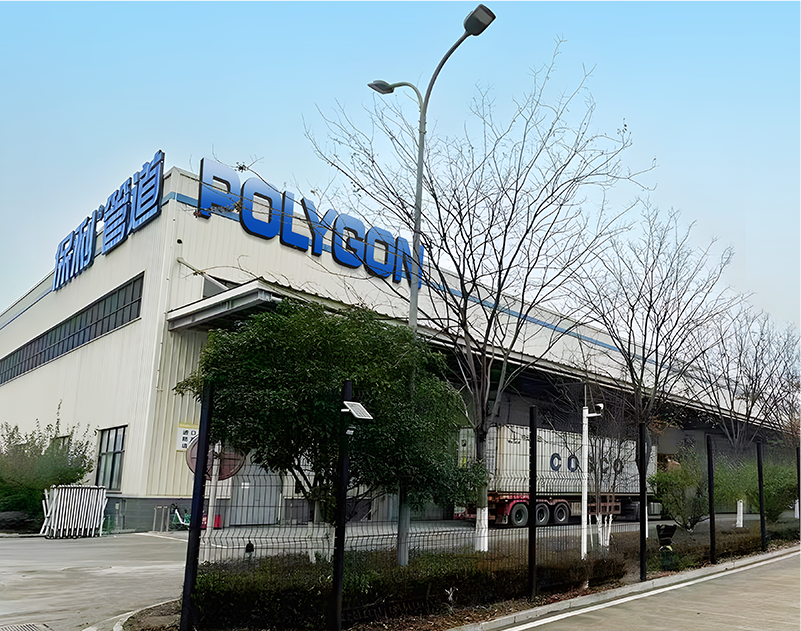

UPVC drainage pipes, fully known as Unplasticized Polyvinyl Chloride drainage pipes, are the mainstream material for building drainage systems, widely used in residential and general industrial construction. Compared to traditional cast iron pipes, UPVC pipes demonstrate significant advantages in installation efficiency, use and maintenance, and long-term economy due to their outstanding comprehensive performance. Their core characteristics are primarily reflected in the following aspects:
I. Core Material Properties: The Foundation of Performance
1. Excellent Corrosion Resistance: UPVC exhibits excellent resistance to most inorganic acids, alkalis, and salts, and is unaffected by chemicals in damp environments and soil. This allows it to effectively withstand corrosive components like organic acids and hydrogen sulfide in domestic sewage and wastewater, resulting in a long service life and minimal impact on flow capacity from internal wall corrosion.
2. Good Mechanical Properties: UPVC material has high hardness and rigidity, enabling it to withstand certain external pressure and internal water pressure. Its tensile strength is about one-third that of cast iron pipe, but its density is only one-fifth that of cast iron, making it extremely lightweight. This greatly facilitates transportation, handling, and work at height, significantly reducing labor intensity.
3. Smooth Interior Wall and Fluid Dynamics: The interior wall of UPVC pipes is smooth, with a very low friction coefficient (Manning's n ≈ 0.009). Under the same diameter and slope conditions, its water conveyance capacity is 30%-40% higher than that of cast iron pipes. Alternatively, a smaller design slope can be used for the same flow rate, aiding in the conservation of building space. The smooth interior wall also resists scaling, with minimal long-term flow reduction.
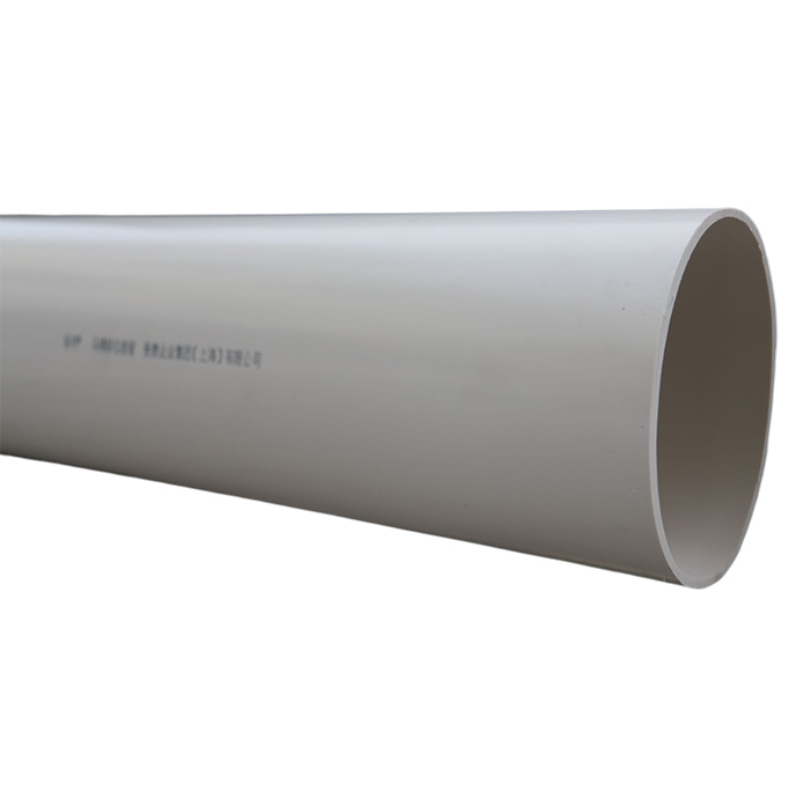
II. Outstanding Application Advantages
1. Superior Installation Convenience: This is the most notable application advantage of UPVC pipes. Their primary connection method is solvent-weld socket connections, which are simple and quick. There's no need for the complex caulking and curing required for cast iron pipes. Installation efficiency can be improved by over 60%, and the process has low environmental requirements and is less affected by weather. Pipes can be easily cut on-site with specialized tools, allowing for flexible adjustments.
2. Good Economy: From a life-cycle cost perspective, UPVC pipes have a clear advantage. Their raw material cost and total installed cost are lower than cast iron pipes and some other plastic pipes. Due to their corrosion resistance and scale resistance, they require infrequent maintenance and replacement over long-term use, resulting in very low operating and maintenance costs. Their lightweight nature also reduces structural load and transportation costs.
3. Environmental and Hygienic Properties: UPVC is an odorless, tasteless, and non-toxic inert material, meeting hygiene standards for potable water transport (and posing no hygiene concerns for drainage). Its production energy consumption is far lower than that of metal pipes. Waste UPVC pipes can be recycled and reused, aligning with green building and sustainable development requirements.
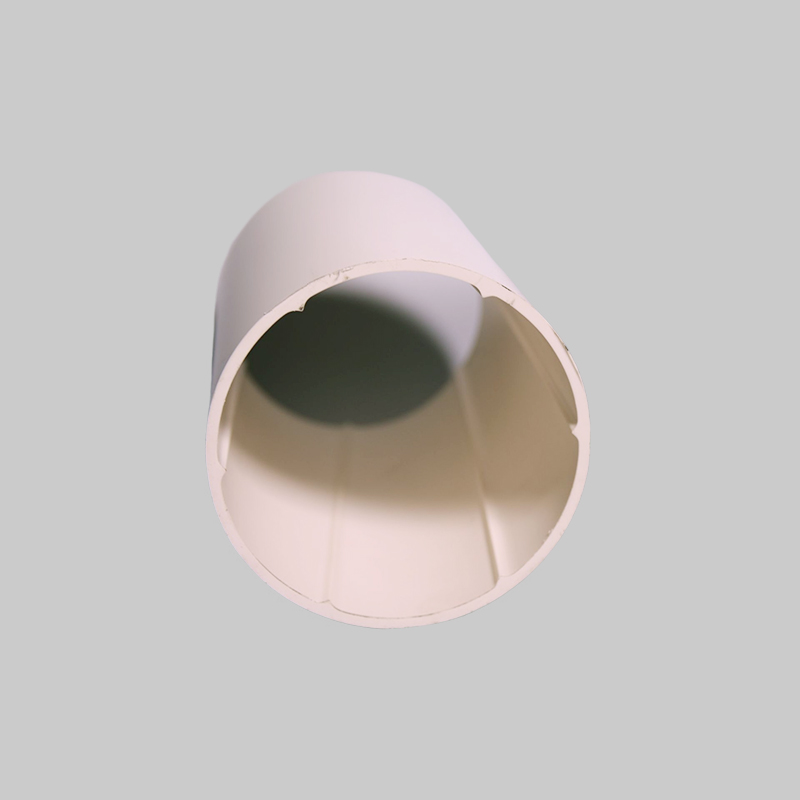
III. Limitations and Mitigation Strategies
Despite their prominent advantages, UPVC pipes also have inherent limitations that must be considered and addressed in design and construction:
1. Limited Heat Resistance: Its Vicat softening point is around 80°C. Therefore, it is not suitable for continuous discharge of wastewater above 40°C or instantaneous discharge above 80°C (e.g., boiler blowdown, direct discharge of high-temperature greasy wastewater from commercial kitchens). Prolonged exposure to high temperatures can soften and deform the pipe. For high-temperature discharge points, cooling measures or the use of high-temperature resistant piping locally are required.
2. Impact Resistance: At low temperatures (e.g., <5°C), the impact toughness of UPVC decreases, and its brittleness increases, requiring care to avoid severe impact during handling or installation. Therefore, codes specify that storage, transportation, and installation should prevent scratching and impact, requiring extra caution in low-temperature environments.
3. Sound Insulation Performance: Compared to cast iron pipes, UPVC pipes have lower density, resulting in poorer sound insulation, particularly for water flow impact noise. In residential buildings with high noise control requirements, comprehensive noise reduction measures such as using spiral sound-attenuating pipes, installing pipe shafts, or applying sound-absorbing wraps should be considered.
4. High Coefficient of Linear Thermal Expansion: The linear thermal expansion coefficient of UPVC pipes is about 7-8 times that of steel. For long, straight exposed or suspended pipe runs, temperature compensation devices (such as expansion joints) must be installed as per code to prevent bending, deformation, or even joint separation due to thermal expansion and contraction.
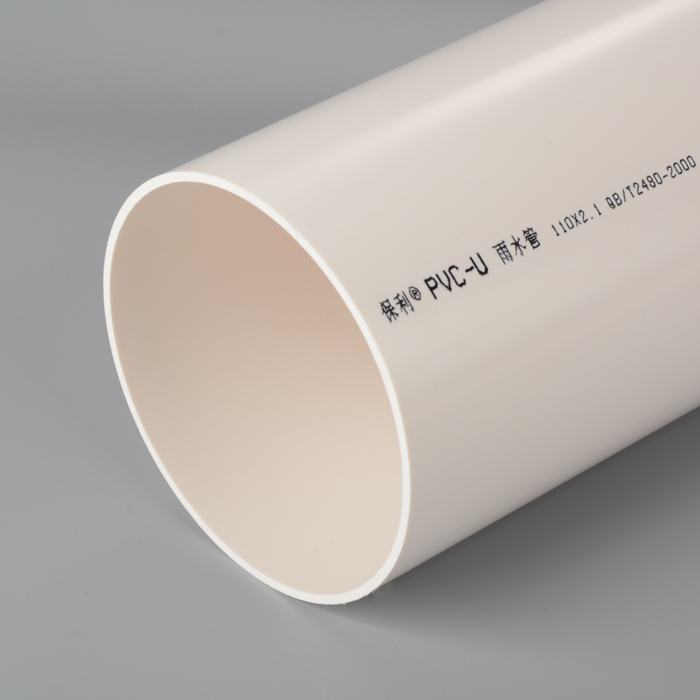
Summary:
UPVC drainage pipes have established their dominant position in the building drainage field with their core characteristics of corrosion resistance, smooth interior walls, light weight, quick installation, and good economy. The key to successful application lies in leveraging strengths and mitigating weaknesses: fully utilizing their installation and cost advantages while effectively addressing limitations in heat resistance, sound insulation, and thermal expansion through standardized design (e.g., controlling discharge temperature, providing for expansion and sound attenuation) and precise installation (e.g., proper solvent welding, preventing damage), thereby constructing an efficient, durable, and reliable drainage system.
Related Articles
CONTACT
Get in Touch With Us