
Introduction
PPR pipe, short for Polypropylene Random Copolymer pipe, is manufactured with polypropylene random copolymer as the core raw material. It belongs to thermoplastic plastic pipelines specially developed for cold and hot water transportation. As one of the most mainstream water supply pipes in modern construction, home decoration and municipal plumbing projects, PPR pipes possess prominent advantages including stable chemical property, excellent high-temperature resistance, long service life, convenient hot-melt connection and low water flow resistance.
Nowadays, numerous types of PPR pipes flood the market with different structures, production processes and dimensional parameters. Without systematic classification cognition, buyers are likely to pick improper pipes for specific scenarios. Therefore, mastering the classification rules of PPR pipes lays a solid foundation for scientific material selection. Besides standard plastic and composite structure types, customized colors are available for most PPR pipe products to satisfy differentiated layout and identification demands in construction projects.
Classification by Structure and Process
PPR Pipe
Solid pure PPR pipe is the basic type of all PPR pipeline products. It is extruded integrally with single-layer polypropylene random copolymer material without extra composite layers. Featuring simple production craft, stable performance and cost competitiveness, this pipe is widely used for conventional cold water and domestic hot water transmission. It is the most common choice for regular household plumbing renovation.
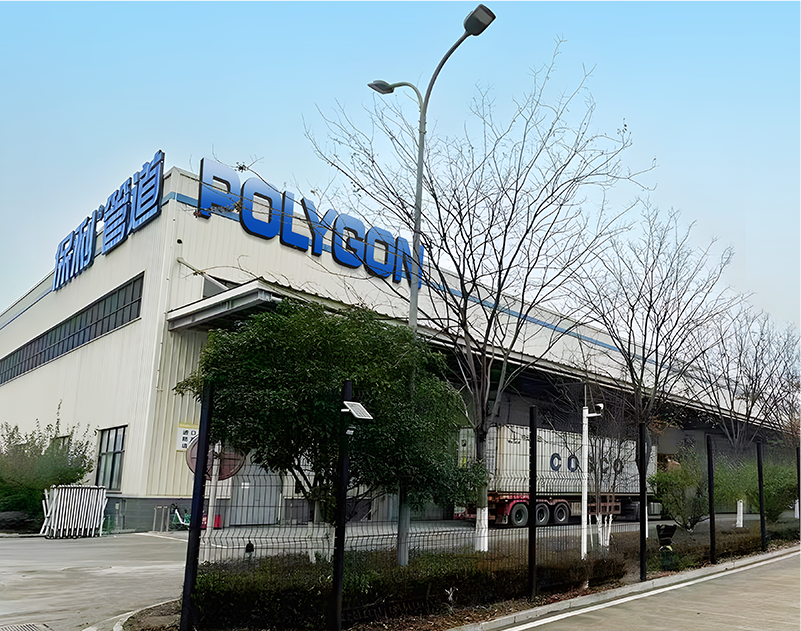
Polygon PPR Pipe contains 1-layer pipe, 2-layer pipe, 3-layer pipe and 4-layer pipe adopting premium raw materials imported from Borealis and Korean Hyosung to guarantee consistent raw material quality and stable long-term performance.
● The 1-layer Polygon pipe is a conventional single-layer PPR pipe with mature technology and cost-effective performance for regular water supply.
● The 2-layer Polygon pipe features outstanding light-shielding performance, effectively preventing algae reproduction inside pipelines.
● The 3-layer Polygon pipe is equipped with silver-ion structure on the inner layer, which delivers antibacterial effects and ensures hygienic water transportation.
● The 4-layer Polygon pipe optimizes the multi-layer composite formula, bringing stronger frost resistance, suitable for environments with low temperature risk.

PPR Fiber Pipe
PPR fiber pipe adopts three-layer co-extrusion forming technology. The middle layer is fiber composite material, and the inner and outer layers remain PPR raw material. Adding fiber reinforcement effectively reduces the linear expansion coefficient of pipelines. Compared with ordinary single-layer PPR pipes, fiber composite PPR pipes produce less thermal deformation under long-term hot water circulation, which avoids pipe bending and sagging caused by temperature changes. It is suitable for long-distance concealed pipeline layout.

PPRCT Pipe
PPRCT pipe is also known as high-temperature resistant modified PPR pipe. With modified polypropylene random copolymer raw material, it upgrades the long-term heat-resistant and pressure-resistant performance. The continuous working temperature can reach higher standards, adapting to high-temperature circulating water systems such as floor heating connecting pipelines and high-temperature hot water supply engineering. It can withstand higher lasting pressure under thermal conditions than standard PPR pipes.

PPR Aluminum Pipe
PPR aluminum plastic composite pipe contains an aluminum alloy interlayer sandwiched between two PPR layers. POLYGON PPR aluminum plastic pipe realizes the perfect combination of metal and plastic materials. It owns the rigidity of metal pipes to resist deformation, while retaining the merits of PPR pipes such as corrosion resistance, sanitary performance and easy connection. It can be widely applied in water supply pipeline systems, household radiators, central air conditioning and other fields. The metal aluminum layer completely blocks oxygen penetration, effectively preventing oxygen corrosion to water heaters, boilers and metal heating equipment in the pipeline system. Meanwhile, the aluminum layer greatly restricts thermal expansion deformation. This type is highly recommended for heating circulation systems and open hot water circulation projects.

Pipe Type | Core Structure | Key Features | Typical Applications |
Standard PPR Pipe | Single-layer PPR extrusion | Cost-effective, mature technology, easy installation | Household cold & hot water supply, regular plumbing renovation |
Three-layer co-extrusion with fiber middle layer | Low linear expansion, thermal deformation resistance | Long-distance concealed pipelines, hot water circulation | |
PPRCT Pipe | Modified high-temperature PPR material | Enhanced heat & pressure resistance, higher working temperature | Floor heating connection, high-temperature hot water engineering |
PPR Aluminum Pipe | Oxygen barrier, high rigidity, minimal thermal expansion | Heating circulation systems, radiators, central air conditioning |
Classification by Specification Size
For household plumbing renovation, small-diameter PPR specifications are the mainstream. DN20 and DN25 PPR pipes are commonly adopted for indoor cold and hot water delivery. Thicker wall thickness grades such as S2.5 and S3.2 are preferred for hot water pipelines to guarantee lasting pressure resistance. Lightweight specifications can be deployed for cold water pipelines to control project cost.
For commercial construction and industrial engineering projects, engineering teams need to follow unified piping standards. Larger specifications including DN32, DN40, DN50 and above are frequently used for main water supply pipelines. Strict wall thickness grade selection must match design pressure parameters. Large-caliber PPR pipes are applied in residential complex public water supply, commercial building plumbing and supporting municipal auxiliary water delivery systems.
Application Requirements
Before determining PPR pipe types and specifications, users must clarify practical application requirements. Key factors include medium temperature, sustained working pressure, laying environment, exposure to sunlight and ambient temperature. Cold water systems, domestic hot water, floor heating, heating circulation and central air conditioning systems have distinct operating conditions. Matching the appropriate PPR pipe type according to actual working conditions can avoid premature aging, deformation and leakage risks
Manufacturer Reputation
Raw material quality, production standards and product consistency vary greatly among different suppliers. Reliable manufacturers such as Polygon strictly select top-grade raw materials from Borealis and Korean Hyosung and implement standardized production and quality inspection. Choosing reputable manufacturers helps avoid recycled-material pipes with unstable performance, ensures long-term pipeline safety and provides complete after-sales technical support for projects.
Polygon PPR products have obtained a series of authoritative international certifications: AENOR product certification from Spain, DVGW drinking water type test certification from Germany, WRAS material approval for potable water from the UK, ECM CE type test certification compliant with CPR regulation from Italy, as well as relevant ISO system certifications. Complete global certification credentials make Polygon PPR pipes qualified for export projects and international construction engineering.
Installation and Maintenance
Different kinds of PPR pipes share hot-melt connection technology, yet they have differentiated construction notes. Composite pipes such as PPR fiber pipe and PPR aluminum pipe require standardized hot-melt temperature and operation time to prevent layered separation. During long-term usage, regular pipeline inspection shall be carried out, especially for exposed pipelines in low-temperature areas. Proper thermal preservation measures can extend the service life of the whole piping system.
Conclusion
Different categories of PPR pipes formed by varied structures, production techniques and specifications cater to diverse application environments. Single-layer PPR pipes fit ordinary household cold and hot water supply. Polygon Pipe series enriches single-layer to four-layer solutions with imported Borealis and Korean Hyosung materials, achieving light shielding, antibacterial and frost-resistant functions for different demands; fiber PPR pipes solve thermal expansion troubles for long concealed pipelines; PPRCT pipes meet high-temperature working requirements; PPR aluminum composite pipes excel in anti-oxygen heating systems.
Whether for home decoration or large engineering projects, users should confirm operating temperature, system pressure, laying mode and pipeline length first before selecting PPR pipe categories. Clear classification helps purchasers avoid mismatched products, reduce hidden risks of water leakage and deformation, and maximize the service life of the whole water supply pipeline system. Customized color options further facilitate on-site construction management and pipeline identification.
Related Articles
CONTACT
Get in Touch With Us