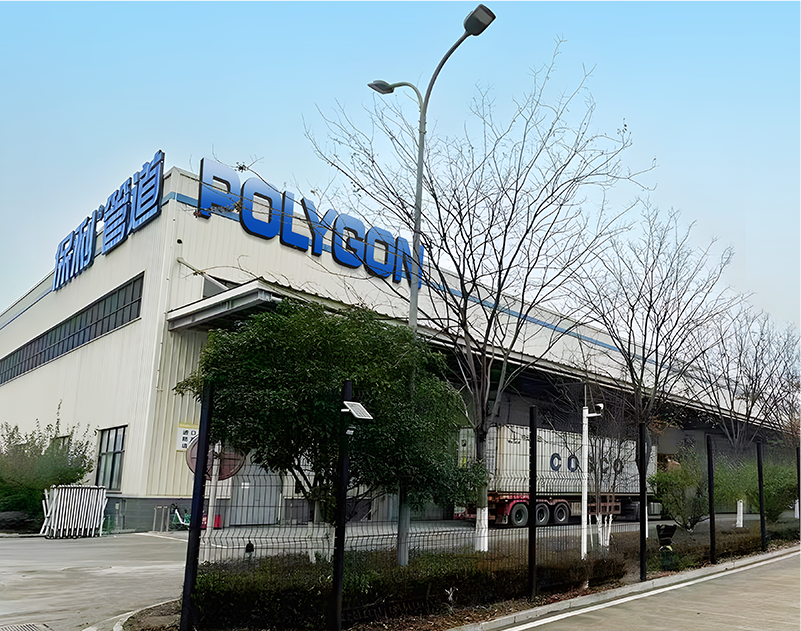

The performance, durability, and application suitability of a PVC piping system are fundamentally determined by the precise selection and scientific formulation of its raw materials. For engineers, specifiers, and contractors, understanding this core relationship is key to selecting products that deliver long-term reliability. This analysis breaks down how each raw material component shapes the final product within a high-performance PVC pipe network.
I. Base Resin: The Structural Core of PVC Pipes
The PVC resin forms the foundational matrix of the entire pvc piping system. High-quality pipes utilize specific resin grades tailored to their manufacturing process:
● SG-5 Resin for Extrusion: Engineered for pipe production, this grade offers optimized molecular weight distribution ensuring excellent melt strength and flow. This results in pipes with superior dimensional consistency, high ring stiffness, and the pressure resistance required for demanding applications.
● SG-8 Resin for Fittings: Used for manufacturing components, this resin provides higher fluidity, allowing for the production of complex shapes with precise dimensions and excellent impact strength, ensuring system integrity.

II. Fillers: Optimizing Performance and Efficiency
Fillers like calcium carbonate are integral to enhancing PVC pipe characteristics. Their role extends beyond basic functions:
● Advanced Formulations: The use of activated, ultra-fine fillers improves compatibility with the PVC resin. This enhances mechanical properties such as stiffness and tensile strength while maintaining good impact resistance, contributing to extended pipeline service life.
III. Stabilizers: Ensuring Longevity and Safety
Stabilizers are critical for processing PVC and protecting the system from degradation:
● Modern Stabilizer Technology: Advanced stabilizer systems prevent thermal degradation during production and protect against environmental factors during service. They ensure pipes and fittings remain stable, durable, and safe for various applications including potable water transport.
IV. Functional Additives: Meeting Specialized Requirements
Modern PVC piping incorporates specialized additives to address specific challenges:
● Performance Enhancers: Impact modifiers significantly improve low-temperature toughness, making the system resistant to cracking during installation or from physical impact.
● Processing Optimizers: Specialized aids ensure smooth manufacturing, resulting in consistent quality that is vital for hydraulic efficiency and reliability.
● Application-Specific Solutions: For specialized needs, additives like UV inhibitors or flame retardants can be formulated to meet stringent project requirements.
Conclusion: Material Science Behind Reliable Piping
In summary, the quality of PVC piping system is determined at the material level. From the base resin to the synergistic blend of additives, each component is carefully selected to achieve an optimal balance of strength, durability, and safety. Understanding this material foundation helps in selecting products that ensure project success and deliver decades of trouble-free service in various fluid transport applications.
Related Articles

What Are PPR Fittings And How Do They Work?
Introduction A small leak can damage walls and budgets. Traditional threaded or glued joints may loosen over time. Modern buildings demand stronger, safer systems. That is why PPR Fittings are gaining attention worldwide. They create a seamless, heat-fused pipeline without glue or rubber seals.

Why PPR Fittings Are Widely Used in Modern Plumbing
Introduction Modern plumbing has evolved beyond metal pipes that rust and leak over time. Builders now demand systems that last longer and require less maintenance. This shift explains why PPR Fittings are widely used in modern plumbing today.

Key Features of High-Quality PPR Fittings
IntroductionA plumbing system works like the circulatory system of a building. Pipes move water, but PPR Fittings control direction, pressure, and connection stability. When fittings perform poorly, leaks and pressure loss can affect the entire network.
CONTACT
Get in Touch With Us