
Introduction
Modern plumbing has evolved beyond metal pipes that rust and leak over time. Builders now demand systems that last longer and require less maintenance. This shift explains why PPR Fittings are widely used in modern plumbing today. They provide leak-proof fusion joints, strong pressure resistance, and long service life. In this article, you will learn why PPR Fittings have become a trusted standard in residential and commercial water systems.
The Core Reasons Why PPR Fittings Dominate Modern Plumbing
Heat Fusion Technology Creates Permanent Leak-Proof Connections
Heat fusion forms a true molecular bond rather than a surface attachment. When PP-R reaches its melting point near 260°C, crystalline regions soften and polymer chains become mobile. During insertion, chains from pipe and fitting interlock across the interface. As the joint cools, recrystallization restores full mechanical strength. The fusion zone maintains uniform wall thickness, preventing internal diameter reduction. Because no elastomeric gasket is present, there is no aging, shrinkage, or compression loss over time, which greatly enhances long-term sealing reliability.
Superior Corrosion and Scale Resistance
PP-R material is chemically inert and does not participate in electrochemical reactions common in metal systems. Its non-polar surface reduces mineral adhesion and biofilm attachment, helping maintain internal smoothness. The low surface roughness coefficient limits turbulence and deposit formation, even in hard water regions. Since there is no oxidation layer formation, internal diameter remains consistent. This stability supports balanced pressure distribution and preserves hydraulic efficiency over decades of continuous water exposure.
High Temperature and Pressure Performance
PPR Fittings are designed to resist creep under sustained internal pressure and elevated temperatures. Their molecular structure distributes hoop stress evenly along the pipe wall. In hot water circulation systems operating near 70–80°C, the material maintains dimensional stability without brittle behavior. PN-rated systems account for long-term hydrostatic strength, ensuring safe operation in multi-story installations. Even under repeated thermal cycling, the uniform expansion characteristics prevent stress concentration, supporting consistent structural performance in demanding environments.
Exceptional Durability and Long Service Life
50+ Year Lifespan in Proper Conditions
The long service life of PPR Fittings is supported by standardized long-term hydrostatic strength testing under controlled pressure and temperature. PP-R material demonstrates strong resistance to creep rupture, maintaining structural stability under sustained internal load. Its antioxidant stabilization system slows thermal oxidation, preserving molecular integrity over decades. Because fusion joints form a homogeneous structure, there are no interface weaknesses that accelerate aging. When properly specified and installed within rated pressure-temperature limits, these fittings support durable infrastructure planning and reduced lifecycle intervention.
Resistance to Chemical and Environmental Stress
PPR Fittings exhibit high resistance to chlorinated water due to the chemical stability of polypropylene chains. Their non-metallic structure prevents electrochemical reactions that commonly affect metal systems. The material tolerates mild acids, alkalis, and disinfectants used in potable and process water treatment. In industrial environments, resistance to corrosion and surface degradation ensures dimensional stability. This chemical inertness preserves internal smoothness and mechanical strength, allowing the system to maintain consistent performance under varying environmental and treated water conditions.
Thermal Cycling Stability
In hot water and heating systems, PPR Fittings face repeated expansion and contraction. Their performance under thermal cycling depends on material properties such as linear expansion, creep resistance, and long-term hydrostatic strength. The structured reference below outlines key technical indicators and engineering considerations.
Hygiene and Safety Advantages of PPR Fittings
Non-Toxic and Safe for Drinking Water
PPR Fittings are produced from food-grade PP-R resin that complies with potable water contact standards. The material contains no heavy metals, plasticizers, or halogens that may migrate into water. Its chemical stability prevents leaching under elevated temperature conditions commonly found in hot water supply systems. Because the fusion process uses heat instead of solvents, no residual chemicals remain inside the pipeline. This inert behavior supports hygienic distribution in hospitals, schools, and residential drinking water networks.
Smooth Internal Surface Prevents Contamination
The internal surface roughness of PP-R is very low, which reduces sites where bacteria or minerals can attach. A smooth bore discourages biofilm formation and limits particle accumulation during long-term operation. This stability helps maintain laminar flow and minimizes stagnation zones inside complex piping layouts. Reduced surface adhesion also decreases the frequency of cleaning interventions. By preserving hydraulic uniformity, PPR Fittings contribute to consistent sanitary performance in potable water systems.
Maintains Water Taste and Quality
Because PP-R does not undergo corrosion or oxidation, it does not introduce metallic ions into water. This prevents discoloration and preserves natural taste. The polymer matrix remains chemically neutral across common temperature ranges, ensuring that odor and flavor remain unchanged. In sensitive environments such as healthcare facilities, consistent water quality is essential for user confidence. The material’s inert characteristics support stable sensory properties throughout the entire distribution network.
Installation Efficiency in Modern Construction
Lightweight and Easy to Handle
PP-R material has a density of about 0.9 g/cm³, much lower than copper or steel. This significantly reduces structural load in high-rise installations. Lighter components simplify vertical transport and on-site handling, especially in multi-floor projects. Reduced weight lowers lifting equipment demand and improves worker efficiency. Because cutting and fusion require minimal force, installation strain decreases. These characteristics support safer job sites and faster material movement in large-scale commercial developments.
Fast and Reliable Heat Fusion Installation
Heat fusion creates consistent joints without threads or sealants, reducing assembly variables. Standardized heating times based on pipe diameter ensure repeatable results. Fusion equipment maintains stable temperatures around 260°C, enabling controlled molecular bonding. The absence of curing time allows immediate progression to the next connection step after cooling. This streamlined workflow shortens installation schedules and minimizes coordination delays between trades, which is critical in time-sensitive construction environments.
Compatibility with Modern Plumbing Systems
Modern mechanical systems often combine domestic water, heating, and chilled water networks within compact spaces. PPR Fittings support these integrated layouts due to uniform material behavior and modular design. Their consistent expansion rate simplifies alignment with manifolds and distribution headers. They also interface effectively with metal valves through reinforced threaded adapters. This adaptability enables seamless integration in both new construction and retrofit projects, supporting evolving building performance standards.
Long-Term Cost-Effectiveness
Reduced Maintenance Requirements
Long-term maintenance is often driven by corrosion, leakage, and internal blockage. Because PPR Fittings form homogeneous fusion joints, there are no threaded interfaces that loosen under vibration or pressure cycling. The non-metallic structure prevents rust formation and eliminates galvanic corrosion risk. Smooth internal surfaces limit mineral buildup, preserving flow capacity. As a result, inspection intervals can be extended, and emergency repair incidents are reduced. This predictable performance supports stable operating budgets in residential and commercial properties.
Energy Efficiency Through Thermal Insulation
PP-R has a low thermal conductivity of approximately 0.24 W/m·K, significantly lower than copper. This natural insulation reduces heat loss in hot water circulation systems. Lower heat dissipation helps maintain temperature stability along distribution lines, decreasing reheating demand at the source. In chilled water systems, reduced surface condensation improves energy performance. Over extended operation, minimized thermal loss contributes to lower utility consumption and improved building energy efficiency metrics.
Strong Lifecycle Return on Investment
Lifecycle value depends on durability, operating stability, and energy performance. PPR Fittings combine long-term hydrostatic strength with corrosion resistance, reducing replacement cycles. Lower maintenance labor and fewer component failures translate into consistent operational expenditure. Energy savings from reduced friction and thermal loss further enhance financial efficiency. When evaluated over decades, the initial installation investment is balanced by reduced future liabilities, aligning with long-term infrastructure planning and sustainable asset management objectives.
Wide Application Across Modern Plumbing Systems
Residential Plumbing Systems
In residential systems, PPR Fittings distribute water through concealed pipelines where long-term stability is critical. Their fusion joints eliminate micro-leak risks inside walls and slabs. With continuous temperature capability up to typical domestic hot water ranges, they maintain structural integrity during daily heating cycles. Low internal roughness preserves flow balance between multiple outlets, even in extended layouts. For developers, reduced noise transmission and corrosion-free operation enhance comfort and durability in both single-family homes and multi-unit housing.
Commercial and High-Rise Buildings
High-rise systems operate under significant hydrostatic pressure due to vertical height. PPR Fittings support PN-rated configurations that withstand sustained pressure loads in riser shafts. Uniform thermal expansion reduces stress concentration at floor transitions. In commercial complexes with variable demand, their stable internal diameter maintains consistent flow distribution. Because joints form a homogeneous structure, pressure fluctuations do not compromise sealing integrity, ensuring reliable service across upper and lower floors.
Industrial and Agricultural Use
In industrial processing and agricultural irrigation, system stability depends on pressure endurance, chemical resistance, and long service life. PPR Fittings are selected based on temperature range, PN rating, and fluid compatibility. The structured overview below highlights technical factors and field considerations.
Environmental Sustainability and Industry Trends
Energy-Saving Performance
Beyond thermal insulation, hydraulic efficiency contributes to energy performance. The low internal roughness of PP-R reduces head loss in distribution networks, decreasing pump workload. Lower friction means less electrical energy is required to maintain design flow rates. In circulating hot water systems, stable internal diameter prevents efficiency decline over time. These characteristics support improved operational energy metrics in both residential and commercial buildings.
Growing Global Adoption
Urban expansion and modernization of water infrastructure have accelerated demand for polymer piping systems. PPR Fittings are increasingly specified in new construction due to their corrosion resistance and fusion reliability. Standardization under international pressure-rating systems has strengthened engineering confidence. Many regions now favor PP-R solutions in residential and municipal projects. This consistent global adoption reflects industry recognition of their durability and lifecycle performance advantages.
Conclusion
Modern plumbing demands reliability, hygiene, and efficiency. PPR Fittings meet these needs through heat-fused, leak-proof joints, strong pressure resistance, and long service life. Their corrosion resistance and smooth internal surface protect water quality and reduce energy loss. With lower maintenance and stable performance, they offer strong lifecycle value. POLYGON provides high-quality PPR systems with dependable performance and professional support, helping projects achieve durable, cost-efficient, and sustainable plumbing solutions.
FAQ
Q: Why are PPR Fittings widely used in modern plumbing?
A: PPR Fittings offer leak-proof fusion joints, corrosion resistance, and long service life.
Q: What makes PPR Fittings better than metal pipes?
A: PPR Fittings resist rust, reduce scale, and maintain smooth internal flow.
Q: Are PPR Fittings suitable for hot water systems?
A: Yes, PPR Fittings handle high temperatures and pressure in heating networks.
Q: Do PPR Fittings reduce maintenance costs?
A: PPR Fittings minimize leaks and corrosion, lowering long-term repair expenses.
Q: How do PPR Fittings support energy efficiency?
A: PPR Fittings reduce friction loss and improve thermal insulation performance.
Q: Where are PPR Fittings commonly applied?
A: PPR Fittings are used in residential, commercial, and industrial plumbing systems.
Related Articles

The 25th Anniversary Celebration of Akan Enterprise
The 25th Anniversary Celebration of Value · Growth by Akan Enterprise Group and the Full-Scene Launch Conference of Concealed Aesthetics was Successfully Held On December 7.

The China-Indonesia Strategic Coordination Summit concluded successfully in Shanghai, jointly ushering in a new era of bilateral cooperation
Shanghai News — As the crisp autumn air brings a refreshing breeze, the banks of the Huangpu River once again host an international gathering. On the afternoon of 18 October, the China-Indonesia Strategic Synergy Development Summit was grandly convened in Shanghai. This summit aimed to deepen strate
DVGW Representatives Visit AKAN Group’s Zhejiang Base for In-Depth Exchange
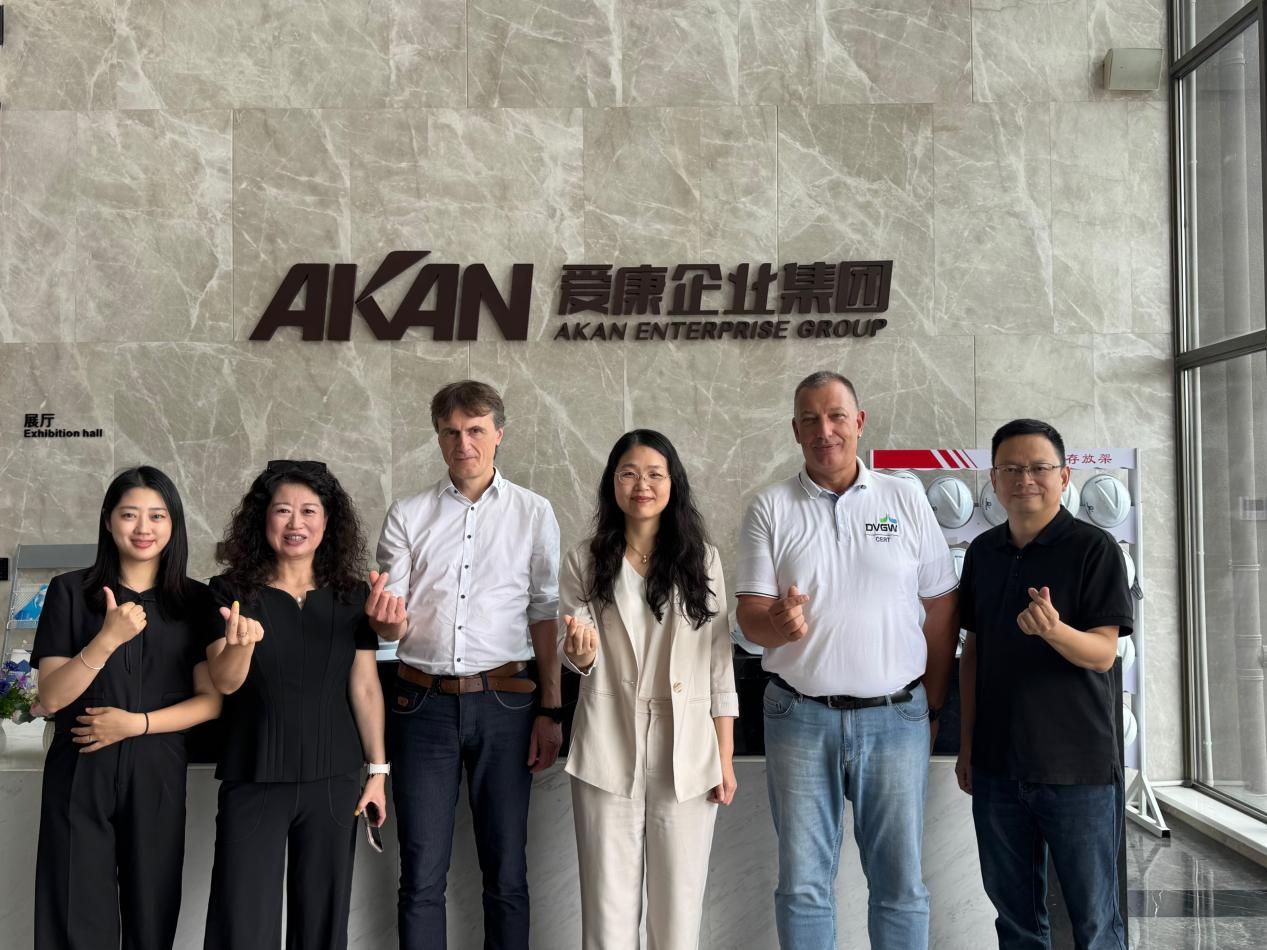
September 16, 2025 – Huzhou, Zhejiang – A delegation from Germany’s DVGW CERT GMBH, led by Mr. Werner Kinnen, Head of DVGW CERT GMBH, and Mr. Italo Pezzutto, Technical Expert for Water, Gas, and UBA Water Quality, together with Ms. Coco Wang, General Manager of Shanghai Zechang Business Consulting Co., Ltd., visited the Zhejiang base of AKAN Group for an on-site inspection and in-depth discussions. They were warmly welcomed by Mr. Zheng Wei, Deputy General Manager of AKAN Group, and Mr. Qiu Qiaoping, Head of the R&D and Technology Department. Both sides engaged in extensive discussions on technological innovation, product quality, and future cooperation, followed by a certificate award ceremony and a tour of the production facilities.

PPR Vs PVC: The Scientific Selection And Performance Revolution in Water Supply Piping System
In China's residential and engineering markets, PPR pipes play a vital role in water supply systems. PPR pipes are made from random copolymer polypropylene, a non-toxic and eco-friendly material. Compared to traditional copper, cast iron, cement, or galvanized steel pipes, PPR pipes offer advantages
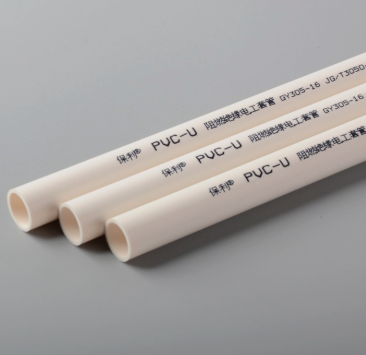
Which is better HDPE or PVC?
In the world of plumbing and infrastructure, selecting the right pipe material is a critical decision that can significantly impact the longevity, efficiency, and overall performance of your system. The article provides an in-depth analysis of the physical properties, installation and maintenance requirements, environmental impact, and lifecycle costs of both materials. Whether you are a civil engineer, municipal planner, or a homeowner, this guide offers valuable insights to help you make an informed decision.
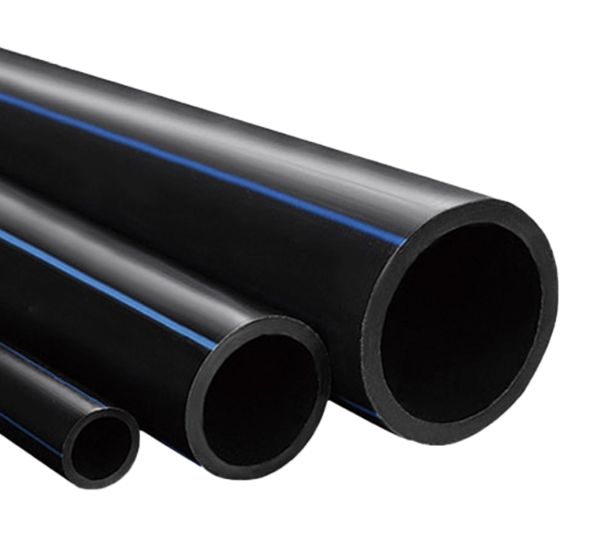
What is an HDPE pipe?
High-Density Polyethylene (HDPE) pipes have emerged as a cornerstone in modern pipeline systems, offering unparalleled flexibility, strength, and sustainability for fluid and gas transportation across industries.
CONTACT
Get in Touch With Us