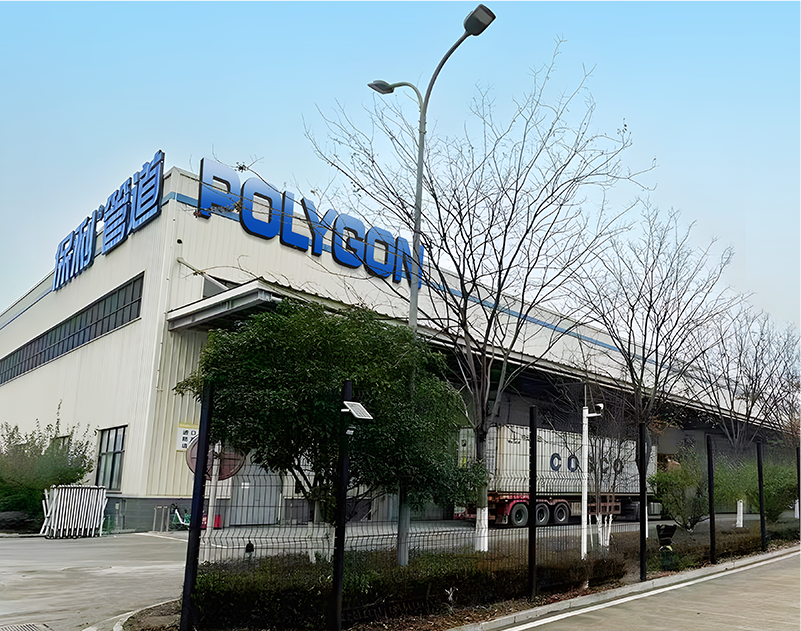

Introduction
A small leak can damage walls and budgets. Traditional threaded or glued joints may loosen over time. Modern buildings demand stronger, safer systems. That is why PPR Fittings are gaining attention worldwide. They create a seamless, heat-fused pipeline without glue or rubber seals. In this article, you will learn what PPR Fittings are, how they work, and why professionals rely on them for long-term plumbing performance.
What Are PPR Fittings?
Definition and Material Composition
PPR Fittings are manufactured from Polypropylene Random Copolymer, a thermoplastic engineered under controlled polymerization to enhance crystalline balance and molecular flexibility. The random distribution of ethylene units reduces internal stress and improves resistance to creep under long-term pressure. This structure allows the material to maintain mechanical strength at elevated temperatures while preserving impact toughness at lower temperatures. Its low thermal conductivity also supports energy efficiency in hot water systems. Because the resin is inert and stable, it prevents scale adhesion and maintains water purity throughout its service life.
How PPR Fittings Differ from Traditional Pipe Connectors
Unlike threaded metal connectors that rely on mechanical compression or PVC joints that depend on chemical adhesion, PPR Fittings form a true molecular bond through thermal fusion. This process eliminates interface gaps and creates uniform wall thickness across the joint. Since pipe and fitting share identical material composition, they expand and contract at the same rate under temperature change. This uniform behavior reduces internal stress concentration and enhances structural continuity. As a result, the joint becomes an integrated section of the pipeline rather than a potential weak transition point.
The Structural Role of PPR Fittings in a Pipeline
PPR Fittings serve as the architectural framework of a pressurized piping system. They direct flow, distribute loads, and maintain hydraulic balance across the network. In vertical risers, they support pressure transfer between floors without compromising alignment. In horizontal layouts, they stabilize directional changes and branch distribution while preserving smooth internal flow paths. By maintaining consistent wall thickness and fusion integrity, these fittings help sustain pressure equilibrium throughout the system. Their structural compatibility ensures that the entire pipeline behaves as a unified, mechanically stable network.
How Do PPR Fittings Work?
The Science Behind Heat Fusion Welding
Heat fusion welding relies on the thermoplastic behavior of PP-R material. When heated to approximately 260°C, the crystalline regions of the polymer transition into a molten state, allowing molecular mobility. At this stage, polymer chains from both the pipe and the fitting begin to interpenetrate across the interface. Proper insertion depth and controlled heating time ensure sufficient diffusion without degrading the material. As the joint cools, the chains recrystallize into a unified structure, eliminating any interfacial boundary. This molecular integration distributes internal pressure evenly and restores full mechanical strength across the welded zone.
Socket Fusion vs Electrofusion Methods
In practical engineering, both socket fusion and electrofusion are established connection technologies for PPR systems. While both create seamless, monolithic joints, they differ significantly in heating mechanism, control precision, applicable pipe diameters, and installation conditions. The comparison below outlines technical parameters, application scope, and operational considerations to support informed system selection.
Why Heat-Fused PPR Fittings Are Leak-Proof
Heat-fused PPR Fittings achieve leak-proof performance through homogeneous molecular integration. Unlike mechanical joints that rely on compression forces or elastomeric seals, fusion welding removes interface discontinuities. The welded zone forms a continuous polymer matrix, allowing internal pressure to distribute uniformly along the pipe wall. Because there is no reduction in internal diameter, hydraulic flow remains stable without turbulence-induced stress. Identical thermal expansion coefficients between pipe and fitting further prevent micro-gaps during temperature cycling, ensuring long-term sealing integrity under dynamic operating conditions.
Main Types of PPR Fittings and Their Functions
Direction-Control PPR Fittings
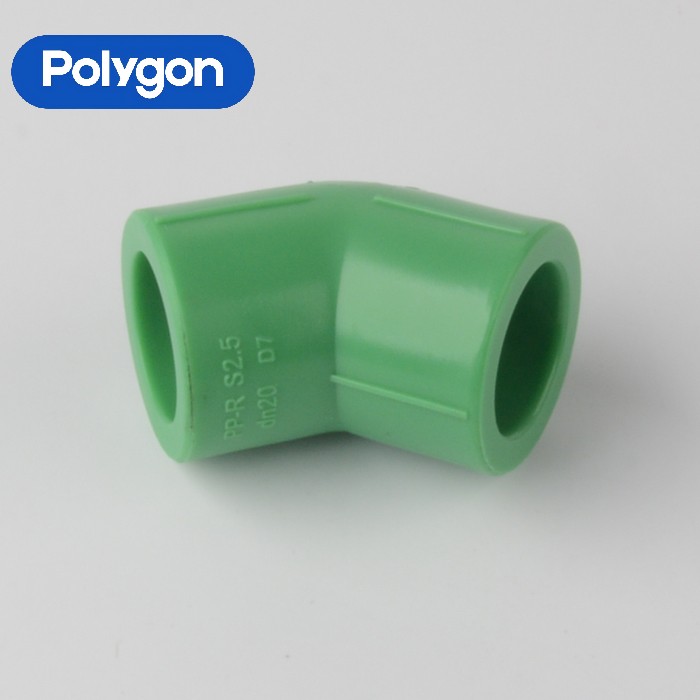
Direction-control PPR Fittings such as 45° and 90° elbows are engineered to guide flow while preserving hydraulic stability. Their curvature radius is designed to minimize pressure loss and avoid sharp flow separation. When properly fused, the internal bore remains uniform, preventing localized turbulence that may increase friction. Cross fittings support multi-directional distribution in compact layouts, especially in manifold systems. By maintaining consistent wall thickness through fusion, these fittings ensure that directional changes do not weaken structural performance under continuous pressure.
Branching and Transition PPR Fittings
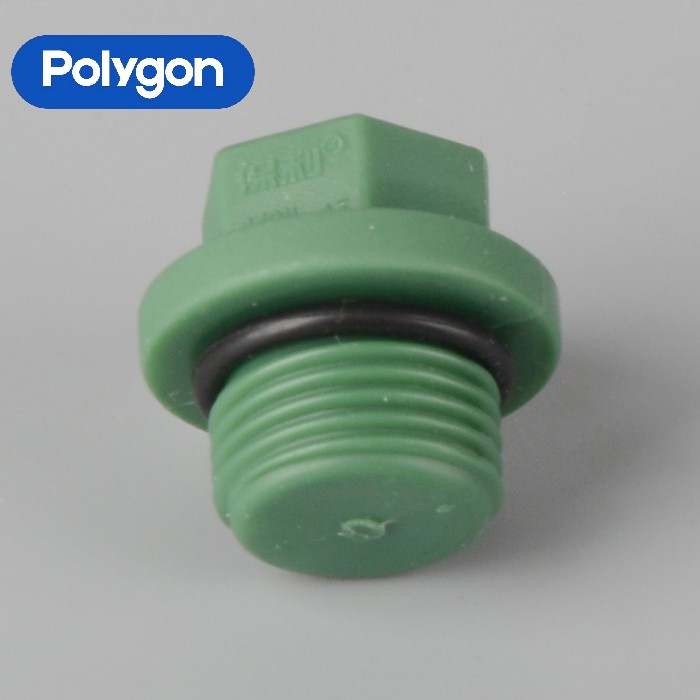
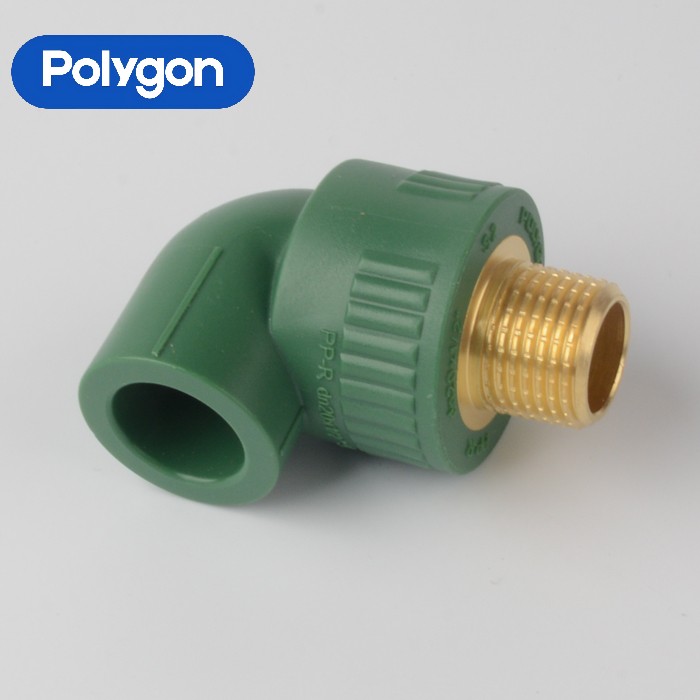
Branching PPR Fittings like equal and reducing tees distribute flow while maintaining balanced pressure across multiple outlets. Reducing tees and concentric reducers are dimensioned to support gradual velocity transition, limiting hydraulic shock during diameter changes. Threaded adapters incorporate metal inserts molded into PP-R bodies, allowing secure connection to valves or equipment without compromising fusion compatibility. This design ensures that structural loads transfer smoothly between materials, preserving joint stability in mixed mechanical installations such as pump rooms and utility corridors.
Sealing and Flow-Control PPR Fittings
Sealing and control PPR Fittings, including ball valves and end caps, are designed to maintain system integrity under static and dynamic pressure. Integrated ball valves use precision-molded polymer bodies with corrosion-resistant internal mechanisms to ensure smooth operation over repeated cycles. Union fittings provide detachable sections without affecting adjacent fusion joints, enabling controlled maintenance access. Because these components share identical thermal expansion properties with the pipeline, they prevent differential stress and maintain consistent sealing performance during temperature fluctuations.
Performance Capabilities of PPR Fittings
Temperature and Pressure Resistance
High-quality PPR Fittings are engineered for continuous operation in systems reaching 70–80°C and short-term exposure up to 95°C. Their PN classification reflects long-term hydrostatic strength at 20°C, based on standardized creep testing. As temperature increases, allowable working pressure decreases according to thermal de-rating curves, ensuring structural safety. The PP-R molecular structure resists creep deformation under sustained stress, allowing pressure systems to maintain dimensional stability. When correctly specified, these fittings support long-term performance in hot water circulation and heating distribution networks.
Corrosion and Chemical Resistance
PPR Fittings exhibit inherent resistance to electrochemical corrosion because they contain no metallic components in the fusion zone. Their inert polymer structure prevents reaction with dissolved oxygen, chlorides, or mineral ions commonly present in water systems. The smooth internal surface also discourages scale nucleation, limiting buildup in hard water conditions. In potable applications, this chemical stability preserves water clarity and taste by preventing metal leaching. The material’s resistance to acids and alkalis further supports reliable use in light industrial fluid transport environments.
Hydraulic Efficiency and Flow Performance
The inner bore of PPR Fittings maintains a low roughness coefficient, typically around 0.007 mm, significantly smoother than galvanized steel. This reduced surface friction lowers head loss and stabilizes flow velocity across distribution networks. Uniform internal diameter through fusion joints prevents turbulence and pressure drops at connection points. In multi-story buildings, improved hydraulic efficiency reduces pump workload and enhances energy performance. Over long service periods, the absence of rust or internal scaling ensures consistent flow capacity and stable system pressure.
Installation Process of PPR Fittings
Tools and Preparation
Reliable fusion quality begins before heating. Proper cutting, surface preparation, temperature control, and insertion marking directly affect molecular bonding performance. The structured reference below outlines essential tools, technical parameters, and preparation standards used in professional PPR installations.
Correct Fusion Technique
Correct fusion depends on controlled timing and axial alignment. After heating according to pipe diameter, the pipe must be inserted smoothly to the marked depth without twisting. Twisting disrupts polymer chain diffusion and weakens interfacial bonding. The insertion should be completed within the recommended joining time, typically a few seconds, before surface cooling begins. During the cooling phase, the joint must remain immobile to allow proper recrystallization of the polymer matrix. A consistent external fusion bead indicates uniform melt flow and proper molecular integration.
System Testing After Installation
After installation, the pipeline must undergo hydrostatic pressure testing to verify structural integrity. The system is filled with water and pressurized gradually to approximately 1.5 times its rated working pressure, following standard commissioning procedures. The pressure is held for a defined period while monitoring gauge stability and inspecting joints. Stable pressure without drop confirms sealing performance and fusion strength. Controlled pressure testing also identifies alignment or installation issues before commissioning, ensuring the PPR Fittings network performs safely under operational load.
Applications of PPR Fittings in Modern Systems
Residential and Commercial Plumbing
In residential and commercial buildings, PPR Fittings support stable pressure distribution across multi-floor networks. Their fusion joints eliminate threaded weak points often found in concealed plumbing. In vertical risers, they tolerate continuous hydrostatic load without deformation. Because PP-R material resists scale formation, internal diameter remains consistent over time, preserving flow balance between outlets. In hotels and office complexes, this stability reduces service disruptions and supports centralized hot water circulation systems operating at elevated temperatures for long durations.
HVAC and Heating Systems
In HVAC applications, PPR Fittings withstand continuous exposure to circulating water temperatures commonly ranging from 60°C to 80°C. Their low thermal conductivity, approximately 0.24 W/m·K, helps limit heat transfer losses in heating lines and reduces condensation formation in chilled water loops. In manifold systems, they provide rigid structural support while maintaining uniform expansion behavior. Their dimensional stability under thermal cycling supports reliable performance in radiant floor heating and centralized boiler distribution systems.
Industrial and Specialized Use
Industrial environments require materials resistant to corrosion and internal degradation. PPR Fittings meet these demands through chemical inertness and smooth internal surfaces that reduce particle accumulation. In compressed air systems, the absence of rust prevents contamination of pneumatic equipment. For non-aggressive chemical transport, their polymer structure maintains dimensional stability under steady pressure. In solar thermal installations, they connect collectors to storage tanks while tolerating fluctuating temperatures and cyclic thermal expansion without compromising joint integrity.
Why Professionals Choose PPR Fittings
Long-Term System Reliability
Long-term reliability depends on resistance to creep and thermal fatigue. PPR Fittings are designed to maintain mechanical strength under continuous internal pressure and temperature cycling. The fusion joint forms a homogeneous structure, eliminating stress concentration at interfaces. Over time, uniform wall thickness ensures balanced load distribution across the system. In concealed installations, this structural stability prevents hidden joint degradation and supports consistent performance in vertical risers and high-demand circulation networks.
Lifecycle Cost Efficiency
Lifecycle efficiency extends beyond installation savings. PPR Fittings reduce maintenance intervals because they resist internal corrosion and scaling, preserving hydraulic capacity. Lower friction inside the system reduces pump head requirements, contributing to long-term energy efficiency. Fusion installation also shortens labor time compared to threaded systems, reducing project scheduling costs. In large commercial developments, these combined factors support predictable operating expenses and improved asset management over decades.
Integrated Material Compatibility
System-wide material uniformity enhances structural coherence. When pipes and PPR Fittings share identical PP-R composition, thermal expansion coefficients remain consistent, preventing differential stress during temperature fluctuation. This compatibility reduces the need for complex compensators in moderate-length runs. It also simplifies specification and quality control, as material certification applies across the entire network. In large B2B projects, this unified material strategy streamlines procurement and ensures predictable long-term mechanical behavior.
Conclusion
PPR Fittings form a seamless, heat-fused piping system that resists pressure, corrosion, and thermal stress. They ensure stable flow and long service life in residential, commercial, and industrial applications. With strong molecular bonding and reliable performance, they reduce maintenance and lifecycle costs. POLYGON delivers high-quality PPR products with consistent standards and professional support, helping projects achieve durable, safe, and efficient water system solutions.
FAQ
Q: What are PPR Fittings used for?
A: PPR Fittings connect pipes in hot and cold water systems through heat fusion.
Q: Why choose PPR Fittings over PVC?
A: PPR Fittings handle higher temperatures and create stronger, welded joints.
Q: Are PPR Fittings suitable for hot water?
A: Yes, PPR Fittings operate safely up to 95°C in heating systems.
Q: How long do PPR Fittings last?
A: Properly installed PPR Fittings can support a 50-year design life.
Q: Do PPR Fittings require special tools?
A: Yes, PPR Fittings need a fusion machine and proper heating control.
Related Articles

The 25th Anniversary Celebration of Akan Enterprise
The 25th Anniversary Celebration of Value · Growth by Akan Enterprise Group and the Full-Scene Launch Conference of Concealed Aesthetics was Successfully Held On December 7.

The China-Indonesia Strategic Coordination Summit concluded successfully in Shanghai, jointly ushering in a new era of bilateral cooperation
Shanghai News — As the crisp autumn air brings a refreshing breeze, the banks of the Huangpu River once again host an international gathering. On the afternoon of 18 October, the China-Indonesia Strategic Synergy Development Summit was grandly convened in Shanghai. This summit aimed to deepen strate
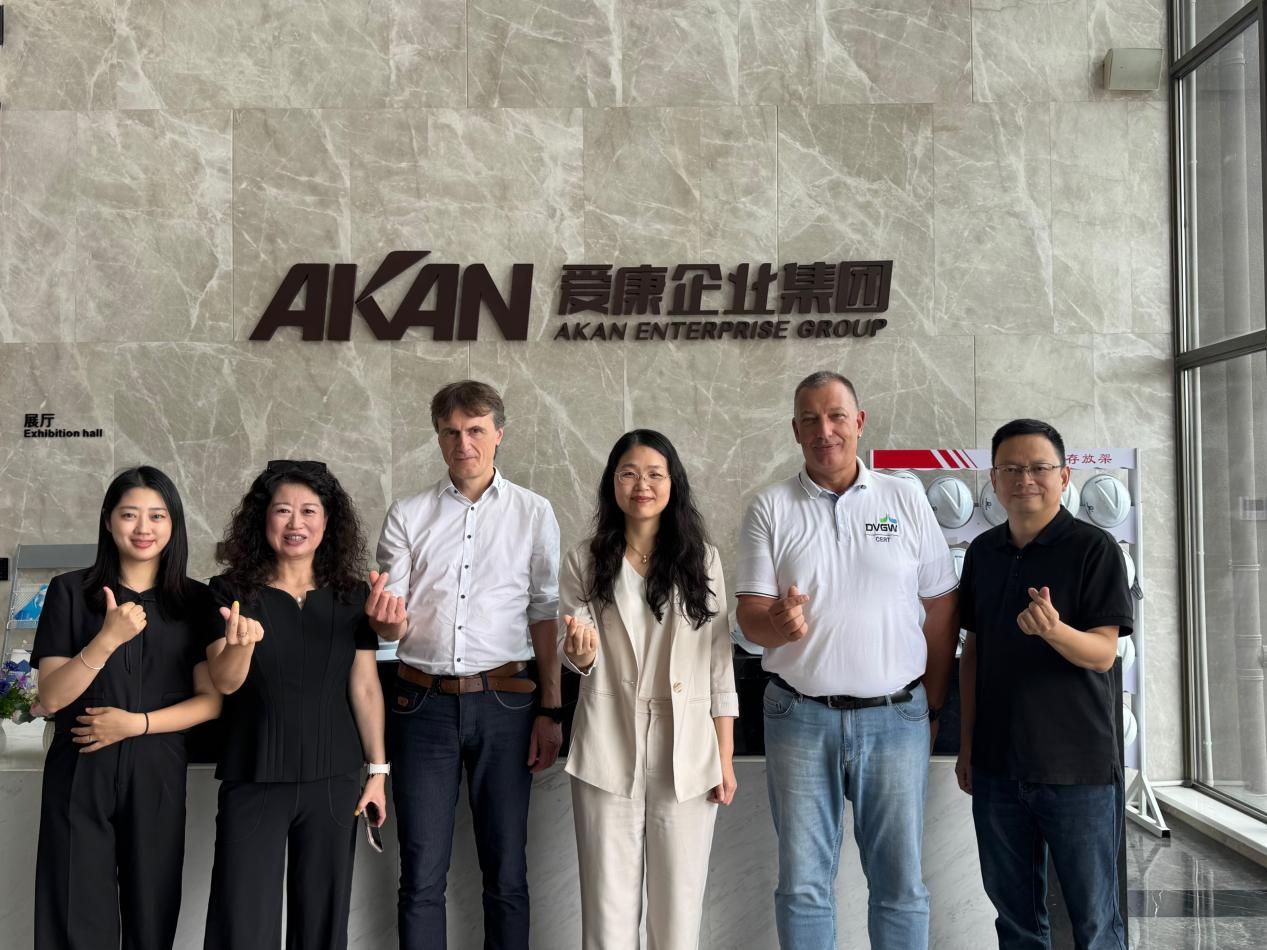
DVGW Representatives Visit AKAN Group’s Zhejiang Base for In-Depth Exchange
September 16, 2025 – Huzhou, Zhejiang – A delegation from Germany’s DVGW CERT GMBH, led by Mr. Werner Kinnen, Head of DVGW CERT GMBH, and Mr. Italo Pezzutto, Technical Expert for Water, Gas, and UBA Water Quality, together with Ms. Coco Wang, General Manager of Shanghai Zechang Business Consulting Co., Ltd., visited the Zhejiang base of AKAN Group for an on-site inspection and in-depth discussions. They were warmly welcomed by Mr. Zheng Wei, Deputy General Manager of AKAN Group, and Mr. Qiu Qiaoping, Head of the R&D and Technology Department. Both sides engaged in extensive discussions on technological innovation, product quality, and future cooperation, followed by a certificate award ceremony and a tour of the production facilities.

PPR Vs PVC: The Scientific Selection And Performance Revolution in Water Supply Piping System
In China's residential and engineering markets, PPR pipes play a vital role in water supply systems. PPR pipes are made from random copolymer polypropylene, a non-toxic and eco-friendly material. Compared to traditional copper, cast iron, cement, or galvanized steel pipes, PPR pipes offer advantages
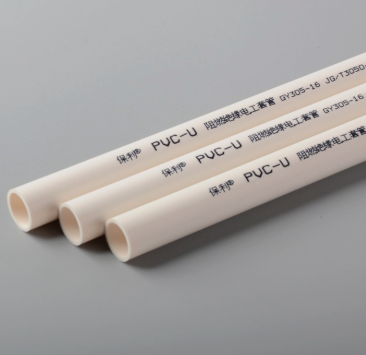
Which is better HDPE or PVC?
In the world of plumbing and infrastructure, selecting the right pipe material is a critical decision that can significantly impact the longevity, efficiency, and overall performance of your system. The article provides an in-depth analysis of the physical properties, installation and maintenance requirements, environmental impact, and lifecycle costs of both materials. Whether you are a civil engineer, municipal planner, or a homeowner, this guide offers valuable insights to help you make an informed decision.
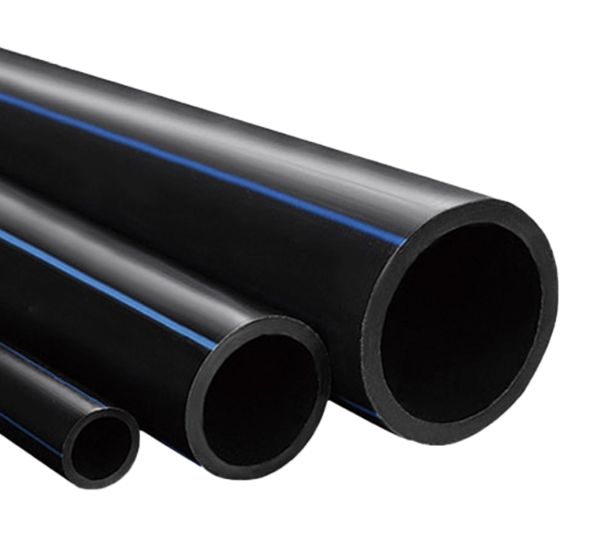
What is an HDPE pipe?
High-Density Polyethylene (HDPE) pipes have emerged as a cornerstone in modern pipeline systems, offering unparalleled flexibility, strength, and sustainability for fluid and gas transportation across industries.
CONTACT
Get in Touch With Us