Introduction
A plumbing system works like the circulatory system of a building. Pipes move water, but PPR Fittings control direction, pressure, and connection stability. When fittings perform poorly, leaks and pressure loss can affect the entire network. Today, PPR Fittings are widely used in residential, commercial, and industrial water systems because of their corrosion resistance, thermal stability, and long service life. However, not all products deliver the same reliability. In this article, you will learn the key features that define high-quality PPR Fittings and how these characteristics ensure safe, efficient, and durable plumbing systems.
Core Material Characteristics of High-Quality PPR Fittings
Premium Polypropylene Random Copolymer (PPR) Raw Materials
High-quality PPR Fittings begin with the right material. Manufacturers use virgin polypropylene random copolymer resin. This polymer offers strong molecular stability and consistent mechanical performance. It maintains structural strength even under pressure or thermal variation. Pure raw materials also prevent impurities that could weaken the fitting structure. Premium resins also meet international drinking water standards. Certifications such as ISO and WRAS confirm that the material is suitable for potable water systems. When resin quality is controlled during production, fittings achieve better durability and stable welding performance.
Hygienic and Non-Toxic Composition
Water safety remains a priority in modern infrastructure. High-quality PPR Fittings use food-grade materials designed for drinking water transportation. These materials remain chemically neutral when in contact with water. They do not release harmful compounds or affect taste and odor. This hygienic property makes PPR suitable for homes, hospitals, schools, and food processing facilities. Unlike some metal piping materials, polypropylene does not react with water minerals. This helps preserve water quality throughout the distribution network.
Excellent Chemical Stability
In water supply systems, industrial pipelines, and chemical transport environments, chemical stability determines the long-term safety of piping materials. High-quality PPR Fittings use polypropylene random copolymer with strong molecular stability, allowing them to maintain structural integrity and water quality even when exposed to various chemical environments.
Structural and Mechanical Strength of High-Quality PPR Fittings
High Pressure Resistance
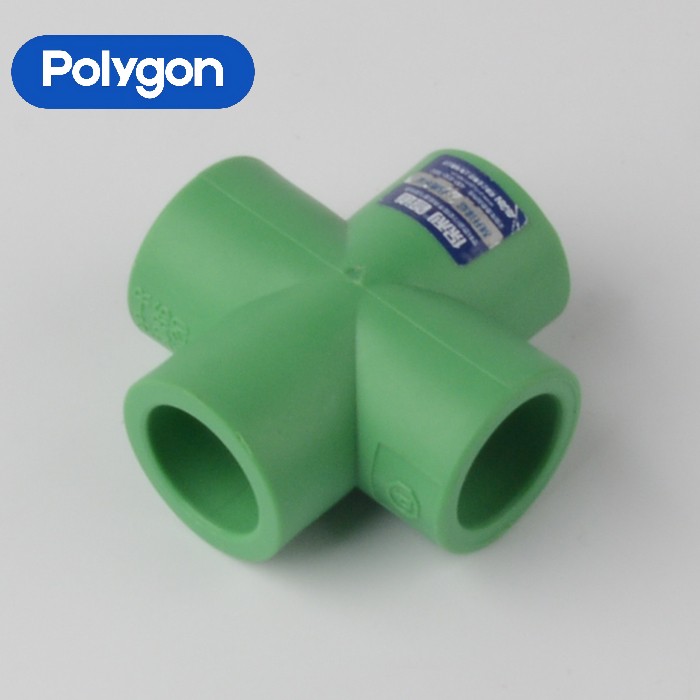
Modern plumbing systems operate under significant pressure. Premium PPR Fittings are engineered to withstand these conditions without deformation. Their molecular structure distributes internal stress evenly across the fitting wall. Typical pressure ratings range from 10 to 25 bar depending on pipe specifications and system design. This capacity ensures that fittings remain stable even during sudden pressure fluctuations or water hammer events.
Long-Term Durability and Impact Resistance
Durability defines the long-term value of PPR Fittings. High-quality products maintain strength during repeated thermal cycles and mechanical stress. The polymer material remains flexible enough to absorb small impacts while preserving its shape.Many well-manufactured PPR systems can operate for more than 50 years under normal conditions. This long service life reduces maintenance costs and improves infrastructure reliability.
Consistent Wall Thickness and Dimensional Precision
Precision manufacturing ensures that PPR Fittings maintain uniform wall thickness and accurate dimensions. Consistent thickness distributes internal pressure evenly and prevents weak points that may fail under stress. Modern production lines use automated extrusion and injection technology. These systems control temperature, pressure, and mold alignment during manufacturing. The result is precise fittings that connect perfectly with standardized PPR pipes.
Thermal Performance and Temperature Stability
High Temperature Resistance for Hot Water Systems
One of the defining advantages of PPR Fittings is their ability to handle high temperatures. Quality fittings operate safely in hot water systems with temperatures approaching 95°C. This makes them suitable for domestic hot water distribution and heating applications. The polymer structure maintains its strength even when exposed to continuous thermal stress. Unlike some materials, it does not soften or lose structural integrity during normal operation.
Stability Under Thermal Expansion and Contraction
Piping systems expand and contract as temperatures change. High-quality PPR Fittings absorb this movement due to their controlled flexibility. The material allows small structural adjustments without cracking or losing joint strength. This property protects the plumbing network during seasonal temperature variation or fluctuating hot water demand. It also improves long-term reliability in environments where thermal cycling occurs frequently.
Reliable Performance in Both Hot and Cold Water Systems
Versatility makes PPR Fittings ideal for modern plumbing. They work equally well in cold water supply and high-temperature systems. The polymer maintains mechanical strength across a wide temperature range. This reliability simplifies system design. Contractors can use the same material family throughout the building. It improves compatibility between components and ensures consistent long-term performance.
Leak-Proof Connection Technology in PPR Fittings
Heat Fusion Welding Creates Seamless Joints
Heat fusion is performed using a controlled welding temperature of about 260 °C, ensuring both the pipe and fitting reach the correct softening point before joining. After heating, the components are aligned and pressed together to form a uniform fusion bead around the joint. This bead indicates proper material flow and bonding. Once cooled, the joint becomes structurally continuous with the pipe wall. Because the connection contains no rubber seals or threads, it eliminates many common mechanical failure points found in traditional piping systems.
Molecular-Level Bonding Strength
During fusion welding, the polymer chains of the pipe and PPR Fittings interdiffuse and reorganize at the molecular level. This process forms a homogeneous bond across the joint interface rather than a simple surface connection. Proper heating time and insertion depth allow the melted layers to merge evenly without internal obstruction. When installed according to welding standards, the joint strength can match or exceed the original pipe wall strength. This structural continuity enables the piping system to tolerate vibration, pressure surges, and thermal cycling without weakening the connection.
Reduced Risk of Leakage in Long-Term Operation
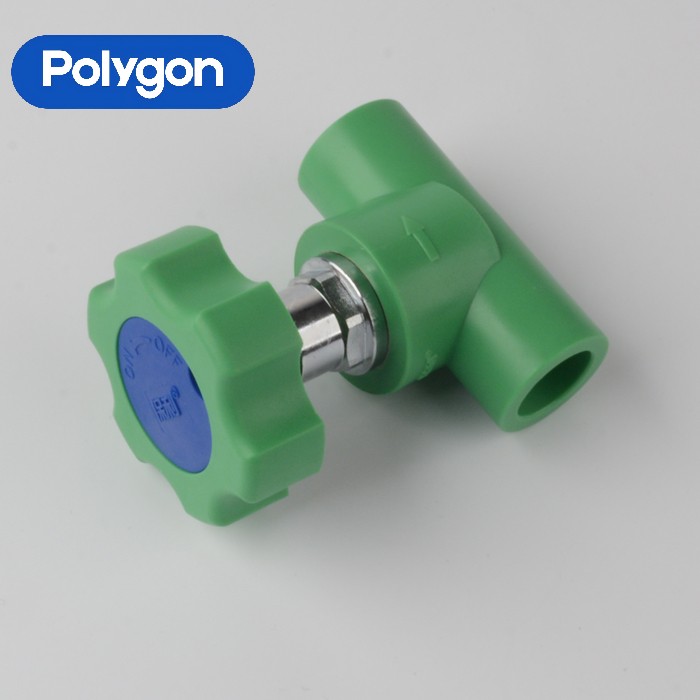
Because heat fusion produces a single integrated structure, the pipeline contains no mechanical seams that can loosen over time. This significantly lowers the probability of leakage during decades of operation. In municipal and commercial plumbing systems, minimizing leaks improves hydraulic efficiency and reduces water loss. It also protects building structures from hidden moisture damage. Properly welded PPR Fittings maintain stable sealing performance even under continuous pressure and temperature variations, making them a reliable choice for long-term water distribution infrastructure.
Hydraulic Efficiency and Internal Surface Quality
Smooth Inner Surface for Optimal Water Flow
The internal surface of PPR Fittings has very low roughness, typically around 0.007 mm, which is significantly smoother than many metal pipes. This low roughness reduces hydraulic friction and turbulence as water moves through the system. Stable flow conditions help maintain consistent pressure distribution across long pipelines. In large plumbing networks, smooth flow also supports accurate system balancing and reduces the risk of localized pressure drops, ensuring reliable water delivery throughout multi-story buildings or complex piping layouts.
Resistance to Scaling and Mineral Deposits
Unlike metal materials, PPR Fittings do not undergo electrochemical reactions with minerals commonly present in water. Calcium carbonate and other dissolved salts have little adhesion to polypropylene surfaces. As a result, the internal diameter of the pipe remains nearly unchanged even after years of operation. This characteristic is especially valuable in hard-water regions where scale buildup often reduces the flow capacity of traditional pipes and increases maintenance frequency in plumbing systems.
Improved System Efficiency and Energy Savings
The combination of smooth inner surfaces and scale resistance improves overall hydraulic efficiency in piping systems that use PPR Fittings. Reduced friction loss means pumps operate under lower resistance, which can decrease energy consumption in water distribution networks. In commercial buildings or district water systems, maintaining stable hydraulic performance helps optimize pump operation and maintain steady flow rates. Over time, this contributes to lower operating costs while supporting consistent pressure and reliable system performance.
Installation Efficiency and System Integration Advantages
Lightweight Structure for Easier Handling
One of the practical advantages of PPR Fittings lies in their low material density and lightweight structure. Compared with metal plumbing components, they are easier to transport, install, and manage on construction sites while still maintaining sufficient mechanical strength for pressure piping systems.
Faster Installation Through Heat Fusion Tools
Modern heat fusion equipment uses thermostatically controlled heating plates that maintain a stable welding temperature around 260 °C, ensuring consistent joint quality. Standard welding cycles usually include heating, insertion, and cooling stages, allowing a complete connection within seconds depending on pipe diameter. Because the process does not require adhesives, threading, or additional sealing materials, installation errors are reduced. Many fusion machines also include alignment guides that help maintain correct insertion depth and joint angle, improving installation accuracy and overall construction efficiency in large plumbing projects.
Compatibility with Modern Plumbing Systems
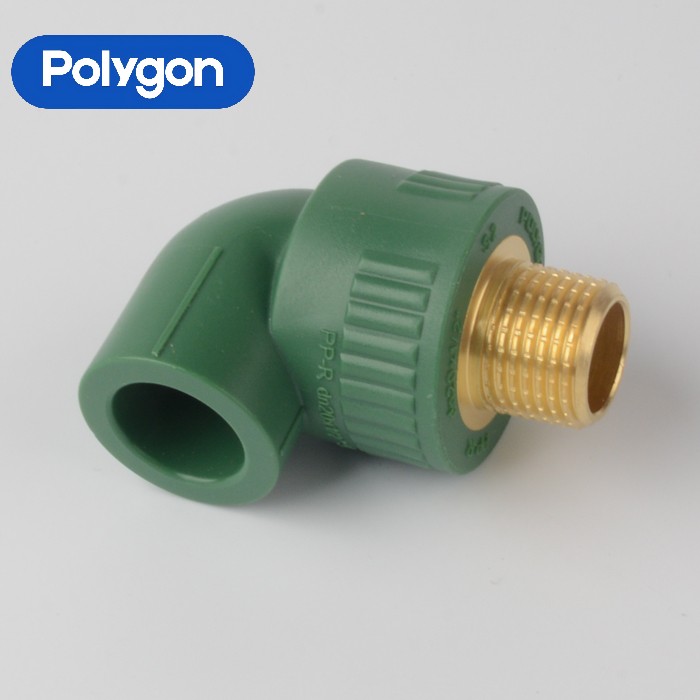
PPR Fittings are manufactured in standardized dimensions that comply with international plumbing specifications such as ISO 15874 and DIN piping systems. This dimensional consistency allows them to integrate easily with modern distribution networks that include pumps, valves, manifolds, and heating equipment. Transition fittings with metal inserts also enable safe connections between PPR pipes and threaded components. Because the system includes elbows, tees, unions, and reducers in multiple sizes, engineers can design efficient piping layouts that support complex building infrastructure without compromising hydraulic performance.
Certifications and Quality Standards for Reliable PPR Fittings
International Standards and Certifications
International certification ensures that PPR Fittings meet strict technical requirements for pressure resistance, material composition, and long-term durability. Standards such as ISO 15874 define performance rules for polypropylene piping systems used in hot and cold water distribution. Compliance requires manufacturers to conduct hydrostatic pressure tests, thermal aging tests, and material verification. Products meeting these standards provide predictable performance in residential, commercial, and municipal plumbing infrastructure.
Manufacturer Identification and Product Markings
High-quality PPR Fittings are typically printed or laser-marked with essential technical information along the fitting body. Standard markings often include nominal diameter (e.g., DN20–DN110), pressure class such as PN10, PN16, or PN20, material identification (PP-R), and the manufacturer’s name or trademark. Production batch numbers and manufacturing dates support full traceability during inspections or maintenance. These markings allow installers to quickly verify compatibility with system specifications and ensure that the fittings match the pressure and temperature requirements of the pipeline network.
Quality Control and Production Precision
Advanced manufacturing technology plays an essential role in producing premium PPR Fittings. Automated equipment ensures consistent molding accuracy and uniform wall thickness. Strict quality control systems inspect products during multiple production stages. These inspections verify pressure resistance, dimensional precision, and material stability.
Conclusion
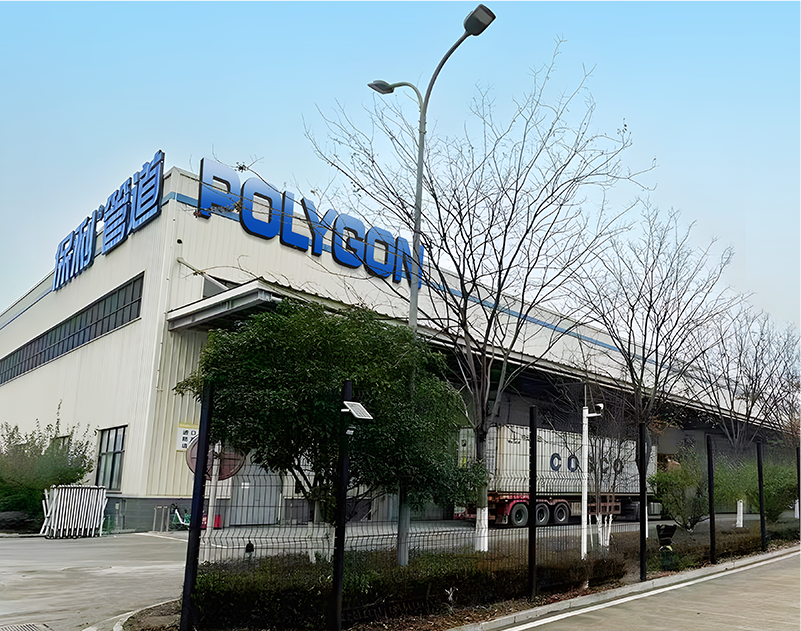
High-quality PPR Fittings provide durability, thermal stability, and leak-proof performance for modern plumbing systems. Their corrosion resistance, smooth internal surfaces, and fusion welding technology ensure efficient water flow and long service life. Choosing certified materials and precision manufacturing improves system safety and reliability. POLYGON delivers well-engineered PPR fittings designed for stable performance, easy installation, and consistent quality, helping contractors and project managers build efficient and long-lasting water supply systems.
FAQ
Q: What are high-quality PPR Fittings?
A: High-quality PPR Fittings use pure PP-R material, precise molding, and certified standards to ensure safe, durable plumbing connections.
Q: Why are PPR Fittings widely used?
A: PPR Fittings resist corrosion, heat, and pressure, making them reliable for long-term hot and cold water systems.
Q: How do PPR Fittings prevent leaks?
A: PPR Fittings use heat fusion welding, creating seamless joints that match pipe strength.
Q: Are PPR Fittings suitable for hot water systems?
A: Yes. PPR Fittings handle temperatures up to about 95°C in domestic hot water systems.