
Introduction
When planning a home renovation, the plumbing system is one of the most critical yet often overlooked elements. Once the walls are sealed and the floors laid, accessing pipes for repair becomes expensive and disruptive. Choosing the right pipe material is therefore a decision that affects comfort, safety, and long-term maintenance costs for decades.
PPR (polypropylene random copolymer) pipes have become the global standard for residential plumbing due to their corrosion resistance, leak-proof heat-fusion joints, and 50‑year design life. However, not all PPR pipes are the same. Depending on the specific needs of your home — underfloor heating, hot water circulation, cold climate, or high‑temperature radiator loops — different PPR variants offer tailored solutions.
This article introduces four key PPR products for home renovation: Standard PPR Pipe, PPR Fiber Pipe, PPRCT Pipe, and PPR Aluminum Pipe, helping you make an informed choice for your project.
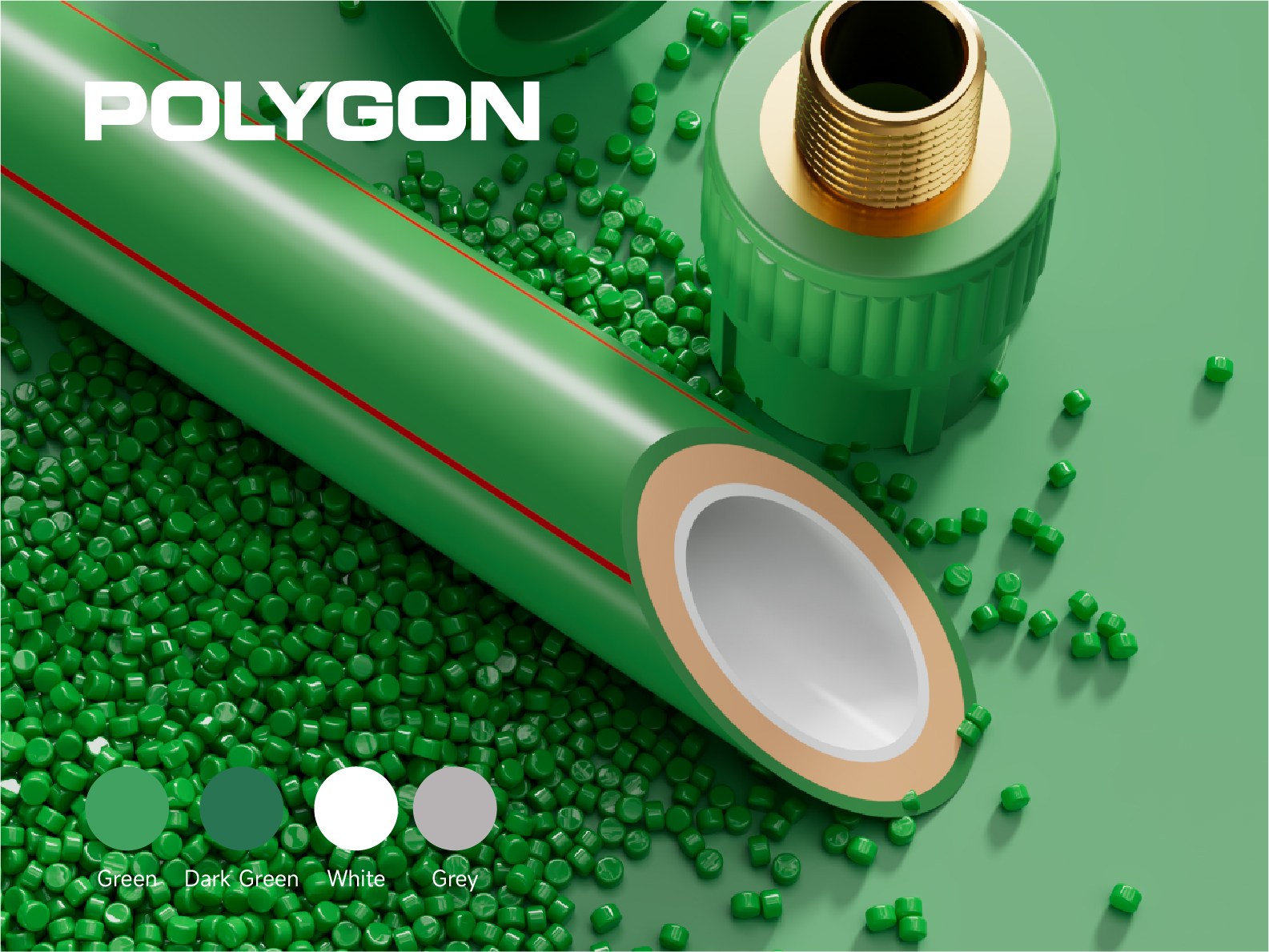
1. Standard PPR Pipe – The Reliable All‑rounder
Best for: Basic cold and hot water supply in apartments and houses.
Standard PPR pipe is the most commonly used type in residential plumbing. Made from premium random copolymer (e.g., Borealis or Hyosung), it offers excellent hygiene, smooth inner walls (Ra ≤ 0.007 mm), and reliable heat‑fusion joints that eliminate leakage risks. It operates at 70 °C continuous / 95 °C peak and is rated PN16 (S3.2) for domestic hot water.
Home renovation advantage: Cost‑effective and versatile. It is the default choice for kitchen and bathroom cold/hot water lines, and works perfectly with standard PPR fittings. For most urban apartments with moderate climate and normal water pressure, standard PPR pipe provides all the performance needed at the lowest cost.
Color: Green, white, yellow, blue (for home decoration).
Limitation: Its linear expansion coefficient is relatively high (~0.15 mm/(m·K)), so long exposed runs may require expansion loops or careful fixing. It is not recommended for underfloor heating or sub‑zero installation without additional protection.
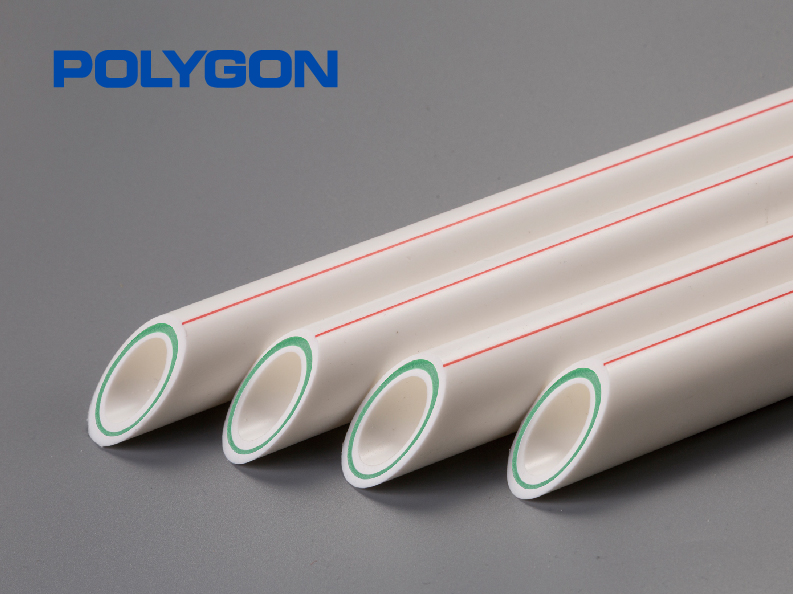
2. PPR Fiber Pipe – The Solution for Underfloor Heating and Long Runs
Best for: Underfloor heating systems, long exposed hot water pipes, and areas where thermal movement must be minimized.
PPR Fiber pipe incorporates a glass‑fiber reinforced middle layer (15–20% fiber loading) that reduces longitudinal thermal expansion to approximately half that of standard PPR pipe. This makes it the ideal choice for underfloor heating loops embedded in screed, where buckling could lift floor tiles. It also excels in long, exposed hot water runs where sagging would be unsightly or problematic.
Home renovation advantage: The fiber layer provides enhanced rigidity and creep resistance at elevated temperatures, meaning the pipe maintains its shape better over time. It uses the same heat‑fusion fittings as standard PPR, so no additional inventory is needed. For homes with radiant floor heating or large open‑plan layouts with long pipe runs, PPR Fiber pipe is the smart upgrade.
Limitation: Slightly higher cost than standard PPR, and the minimum bend radius is larger, requiring more careful planning in tight spaces.
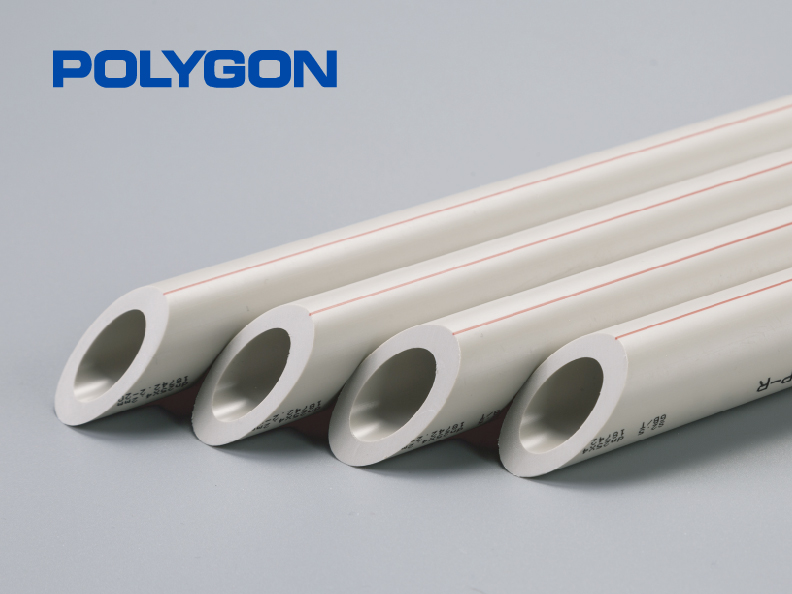
3. PPRCT Pipe – Tough Enough for Cold Climates and Winter Construction
Best for: Homes in cold regions (e.g., northern China, high‑altitude areas), seasonal residences, and projects where pipes may be filled with water before the system is commissioned.
PPRCT (crystal‑treated PP‑R) pipe uses a nucleating agent to modify the crystalline structure from α‑form to β‑form, boosting low‑temperature impact resistance by approximately 40% compared to standard PPR. It remains ductile down to –15 °C, whereas standard PPR becomes brittle near freezing.
Home renovation advantage: If your home is located in a region where winter temperatures drop below freezing, or if you are renovating a mountain cabin that may sit unheated for periods, PPRCT pipe prevents the nightmare of burst pipes during cold snaps. It also offers better creep resistance at the upper end of the temperature range, adding an extra safety margin for hot water systems.
Limitation: Higher unit cost than standard PPR, and the fusion temperature window is narrower — installers must follow heating times precisely to preserve the β‑crystal benefit.
4. PPR Aluminum Pipe – For High‑Temperature Heating and Oxygen Barrier
Best for: Radiator heating systems, central air conditioning chilled water loops, and any circuit where oxygen ingress must be prevented.
PPR Aluminum pipe (also known as PPR‑AL‑PPR) features a three‑layer structure: PP‑R outer layer, butt‑welded aluminum foil middle layer (0.2–0.3 mm), and PP‑R inner layer. The aluminum layer acts as a near‑perfect oxygen barrier (>99% O₂ blocked), protecting steel radiators, boilers, and buffer tanks from internal corrosion. It also provides high beam rigidity, allowing longer spans between supports in exposed installations.
Home renovation advantage: For homes equipped with steel panel radiators or a boiler that requires oxygen‑free water, PPR Aluminum pipe is the only PPR‑family product that delivers true oxygen barrier performance. It also withstands sustained temperatures above 80 °C better than standard PPR or Fiber pipes, making it suitable for high‑temperature heating loops.
Applications: Exposed hot water risers, radiator heating loops, underfloor heating (where reduced expansion prevents floor tile lifting).
Limitation: Not intended for potable water in most export markets due to the aluminum transition fittings; it is strictly a heating/cooling loop product. Installation requires transition fittings or aluminum‑compatible sockets, adding a small amount of extra hardware cost.
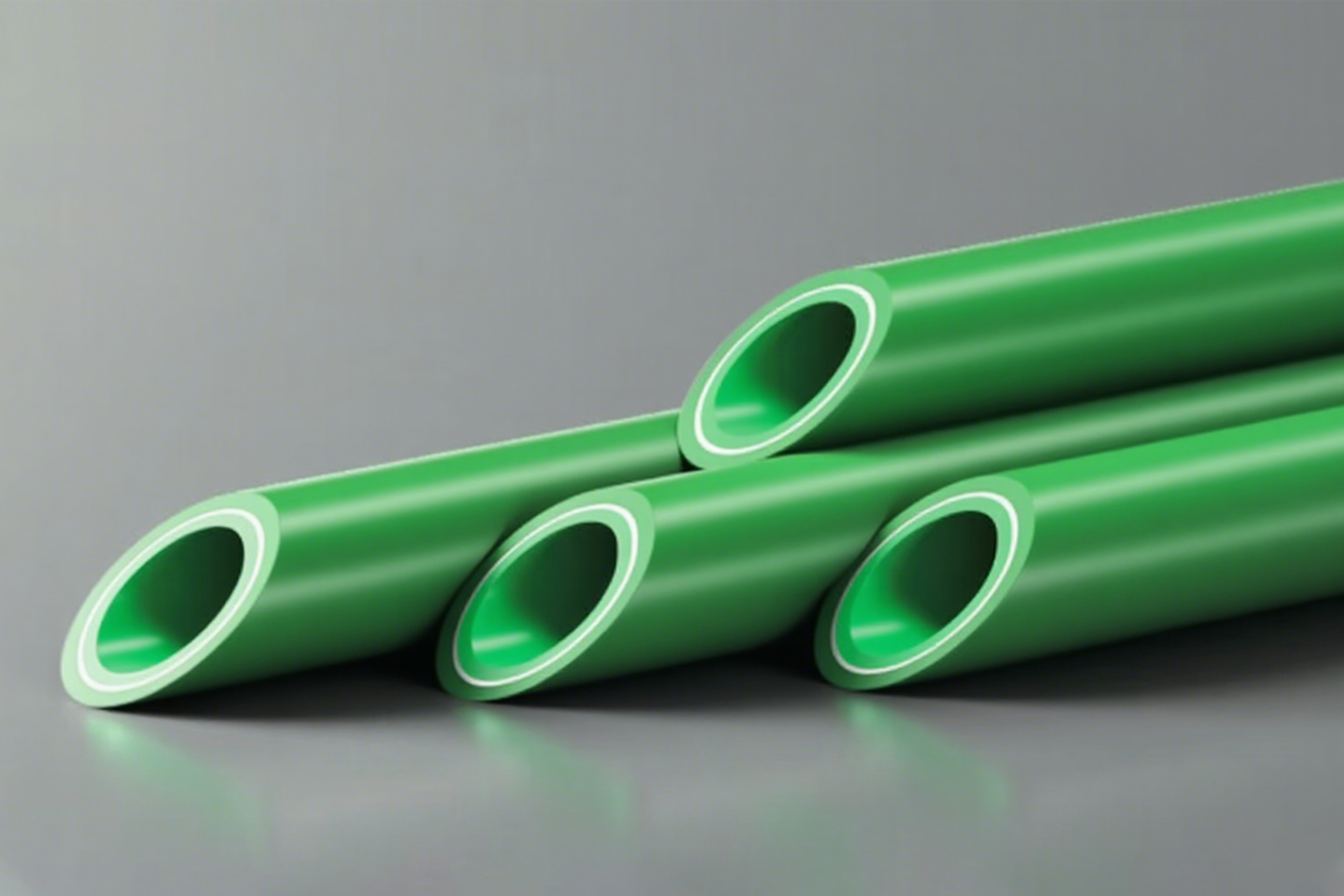
How to Choose the Right PPR Pipe for Your Home
Scenario | Recommended Pipe | Key Reason |
Standard apartment cold/hot water | Standard PPR Pipe | Lowest cost, reliable performance |
Underfloor heating / long hot runs | Reduced thermal expansion, no buckling | |
Cold climate / winter construction | Impact‑resistant | |
Radiator heating / oxygen barrier needed | Blocks >99% oxygen, protects steel components |
Final tip: For a complete home renovation, consider using a combination of these pipes — standard PPR for cold water branches, Fiber for underfloor heating, PPRCT for any outdoor or unheated basement runs, and Aluminum for the heating loop. This layered approach optimizes both performance and budget.、
Conclusion
Modern home renovation demands more than a one‑size‑fits‑all plumbing solution. By understanding the strengths of each PPR variant — standard, Fiber, PPRCT, and Aluminum — you can tailor your piping system to the specific needs of your home, climate, and lifestyle. Investing in the right PPR pipe today means enjoying peace of mind behind your walls for the next 50 years.
All POLYGON PPR pipes are manufactured with imported raw materials (Borealis, Hyosung), pass CNAS‑certified testing, and are backed by a 50‑year design life. Invest wisely today for peace of mind behind your walls.
Related Articles

Application Scenarios of PPR Series Water Supply Pipes | Complete Usage Classification
1. IntroductionModern water supply and plumbing projects require reliable, safe, and environment-adaptive piping materials to ensure long-term stable water delivery. As mainstream ppr piping material in the construction industry, Polygon full-series PPR products cover four core categories: standard

What are the Characteristics of PPR Pipe, PPR Fiber Pipe and PPR Aluminum Pipe?
1. IntroductionThe mainstream PPR piping products in water supply systems include standard PPR pipes, PPR fiber composite pipes and PPR aluminum-plastic composite pipes. As mainstream ppr piping material, these ppr products occupy the major market of residential and commercial plumbing. Each type of

How PPR Pipes are Classified?
Introduction PPR pipe, short for Polypropylene Random Copolymer pipe, is manufactured with polypropylene random copolymer as the core raw material. It belongs to thermoplastic plastic pipelines specially developed for cold and hot water transportation. As one of the most mainstream water supply pipe

How to install UPVC electrical pipes?
The construction quality of UPVC drain pipes directly determines the flow capacity, sound attenuation, and long-term sealing performance of the drainage system. The core of its process lies in utilizing solvent-weld socket (indoor) and rubber ring flexible (outdoor/buried) connections to build a sta

What is UPVC Drain Pipe Fittings?
The fittings (pipe joints) in a UPVC drainage system are the functional hubs strictly matched with the pipes. Their design directly determines the pipeline routing, branching logic, and sealing performance. According to the GB/T 5836.2-2018 standard, these fittings are primarily produced by injectio
CONTACT
Get in Touch With Us